

Medical Writing in a CRO: Which Documents Really Count
In Medical Writing, a CRO creates all regulatorily relevant documents throughout the study lifecycle: the study protocol, Investigator’s Brochure (IB), Informed Consent Form (ICF), and IMPD during the start-up phase;

eCRF Selection: A Regulatory Imperative, Not an IT Procurement
A Phase II study with 12 centers had to switch eCRF systems three weeks before First-Patient-In because the audit trail was not exportable. Study start: delayed by four months. Additional

GCP Inspection: Inspection Readiness as a Permanent Operational State
Monday morning, 9:14 AM. A sponsor receives notification of a BfArM inspection scheduled for Thursday. The TMF index shows 340 missing documents. What follows is no longer preparation—only damage control.
CTIS: The Regulatory Operating System for EU-wide Clinical Trials
Since January 31, 2025, the Clinical Trials Information System (CTIS) has been the mandatory EU-wide platform for the submission, assessment, and supervision of all clinical trials with human medicinal products
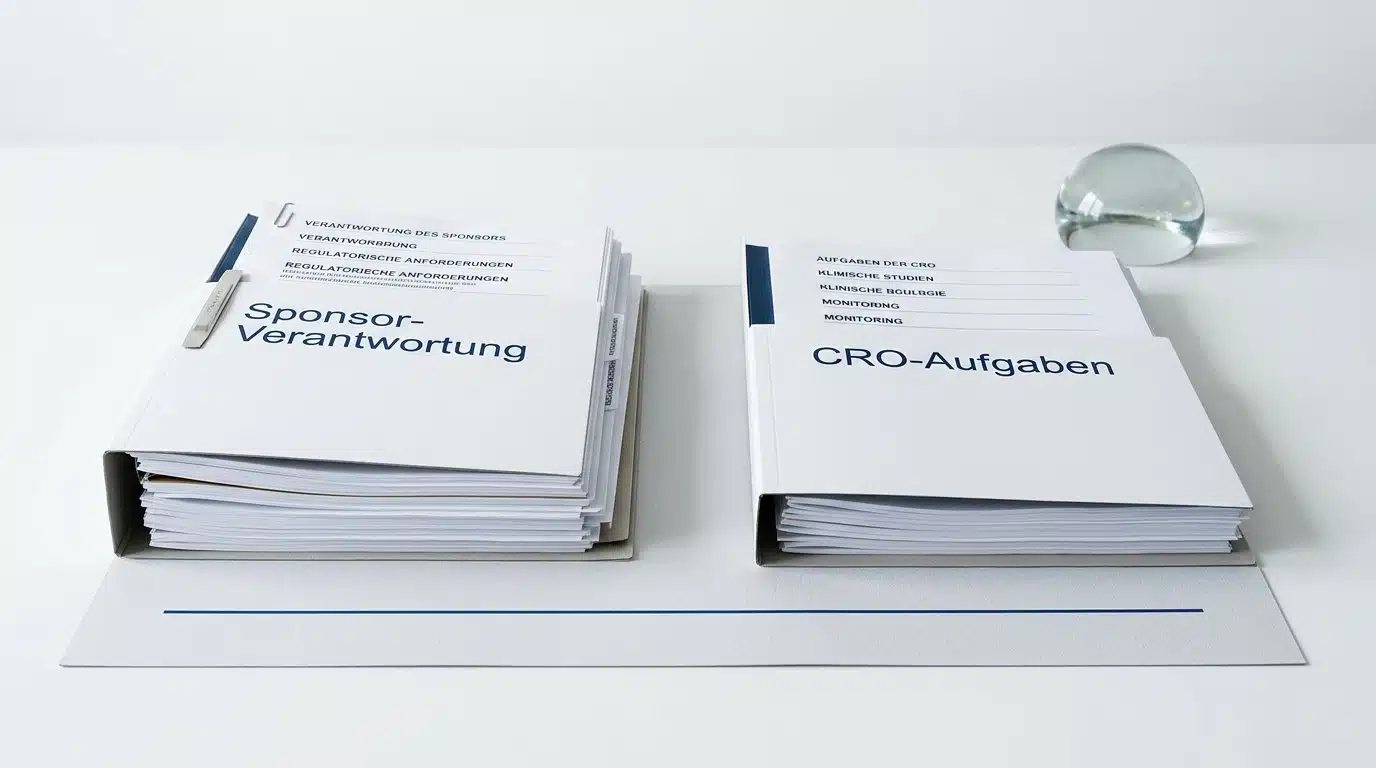
Sponsor vs. CRO: Who truly bears the responsibility in a clinical trial?
The overall regulatory responsibility for a clinical trial remains legally with the sponsor – even in the case of full outsourcing to a CRO. Monitoring, data management, statistics, and regulatory